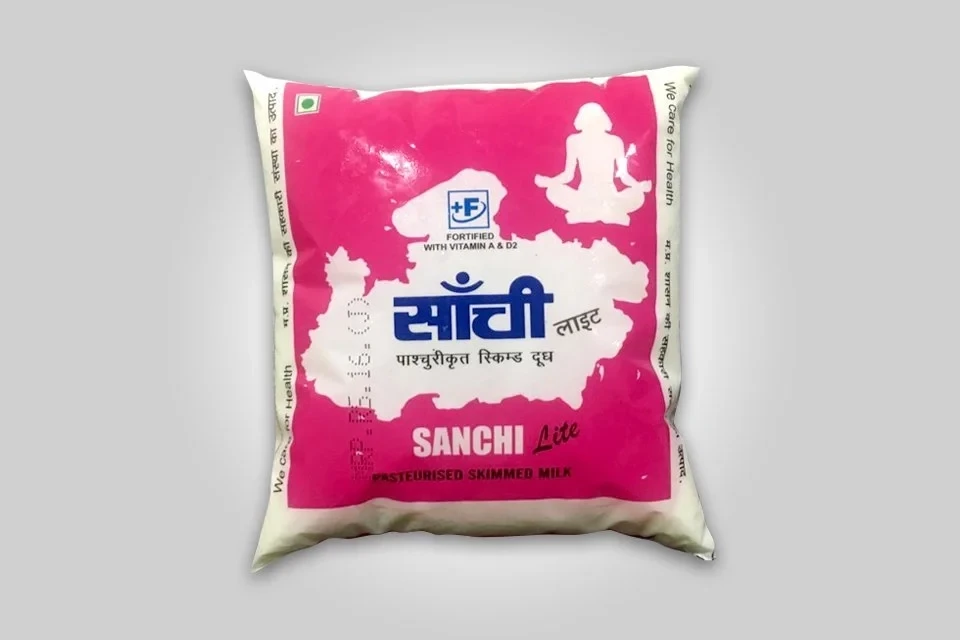
The structural vulnerabilities of India’s dairy supply chain are once again under scrutiny. Madhya Pradesh’s dominant state-run dairy cooperative, Sanchi, has implemented a 2 rupee per litre price increase on its toned and gold milk variants, taking effect from 15 May 2026. This tactical upward revision directly follows a coordinated national intervention by the country’s market leaders. On 14 May 2026, the Gujarat Cooperative Milk Marketing Federation, which markets the Amul brand, alongside Mother Dairy, enacted an identical 2 rupees per litre price hike across major fresh pouch milk variants. This systemic reprising by state and national heavyweights underlines a persistent margin squeeze across India’s cooperative networks, driven by soaring farmgate procurement costs, climate challenges, and a severe packaging materials crunch.
Coordinated National Re-pricing Signals Margin Stress
The synchronised price increases across major milk cooperatives confirm that inflationary pressures in the dairy sector are deeply structural rather than temporary anomalies. For Amul and Mother Dairy, this marks the second major consumer price adjustment within a 13-month window, reflecting an escalation in operational and procurement overheads. While national brands grapple with macroeconomic disruptions, regional market dynamics are following a similar upward trajectory. In Indore, the Indore Dugdh Vikreta Sangh had already preempted this trend by aggressively raising the price of doorstep loose milk supply by 3 rupees per litre to 63 rupees per litre earlier this quarter.
The underlying cost drivers are complex and compounding. Beyond the traditional inflation of cattle feed and veterinary care, dairy processors are battling a severe plastic packaging shortage. A global polymer scarcity, exacerbated by supply chain disruptions from ongoing geopolitical conflicts in the Middle East, has significantly inflated the cost of milk pouch packaging films. Coupled with rising fuel and logistics costs, cooperatives have been forced to pass a portion of these expenses on to retail consumers to maintain cash flow viability.
Regional Volatility and Changing Consumption Profiles
Despite the retail price inflation, Sanchi retains an unchallenged institutional monopoly in Madhya Pradesh, processing and distributing nearly 750,000 litres of packaged liquid milk daily. The cooperative’s core demand is anchored by the state’s dominant urban consumption hubs:
| Region / City | Daily Liquid Milk Sales (Litres) | Market Status |
| Bhopal | ~306,000 | Primary consumption market |
| Indore | ~235,000 | High-growth urban hub |
| Ujjain | ~90,000 | Rapidly uurbanizingTier-2 market |
| Bundelkhand | ~80,000 | Peak summer demand territory |
Crucially, demand is expanding into semi-urban and tier-two clusters. However, this growth coincides with acute summer-related supply constraints. High ambient temperatures during intense heatwaves directly trigger thermal stress in high-yielding crossbred cattle, leading to a cyclical drop in milk output. To cushion farmers against falling yields and the rising costs of water management and nutritional supplements, cooperatives have aggressively hiked procurement prices. Mother Dairy, for instance, reported that its procurement outlays rose by nearly 6% over the past year, while Amul’s member unions boosted payouts to farmers by 3.7% per kilogram of fat compared to May 2025 levels.
Market Context and Strategic Outlook
From a macro perspective, the Indian dairy market is in the midst of a multi-decade structural transformation. The sector has evolved into a 17.25 lakh crore rupee industry, accounting for 65% of total livestock output and driving 16% of India’s agricultural Gross Value Added (GVA). Driven by urbanisation, rising disposable incomes, and an institutional shift toward formalised quality-assured packaged products, national production surged to a historic 247 million tonnes by 2025.
Furthermore, the central government’s recent rollout of “White Revolution 2.0” aims to scale cooperative milk procurement by 50% over the next five years. This includes an aggressive partnership framework, such as the strategic collaboration agreement signed between the Madhya Pradesh Milk Federation (Sanchi) and the National Dairy Development Board (NDDB) to double the incomes of milk producers and expand processing infrastructure to 3 million litres per day.
However, the current pricing cycle highlights a critical vulnerability for corporate investors and dairy processors: volume growth is outpacing supply chain resilience. As climate change increases the frequency of extreme summer heat waves, feed security and livestock climate-proofing will dictate long-term profit margins. For institutional stakeholders, the strategic takeaway is clear: future market dominance will not depend solely on expanding retail distribution networks, but on investing in backward integration, climate-resilient feed supply chains, and alternative, sustainable packaging solutions to mitigate systemic volatility.