Nepal is strengthening its dairy industry through farmer education, improved cattle genetics and modern livestock management, as a four-year training initiative in Sindhuli district demonstrates how practical knowledge can improve dairy productivity and rural livelihoods.
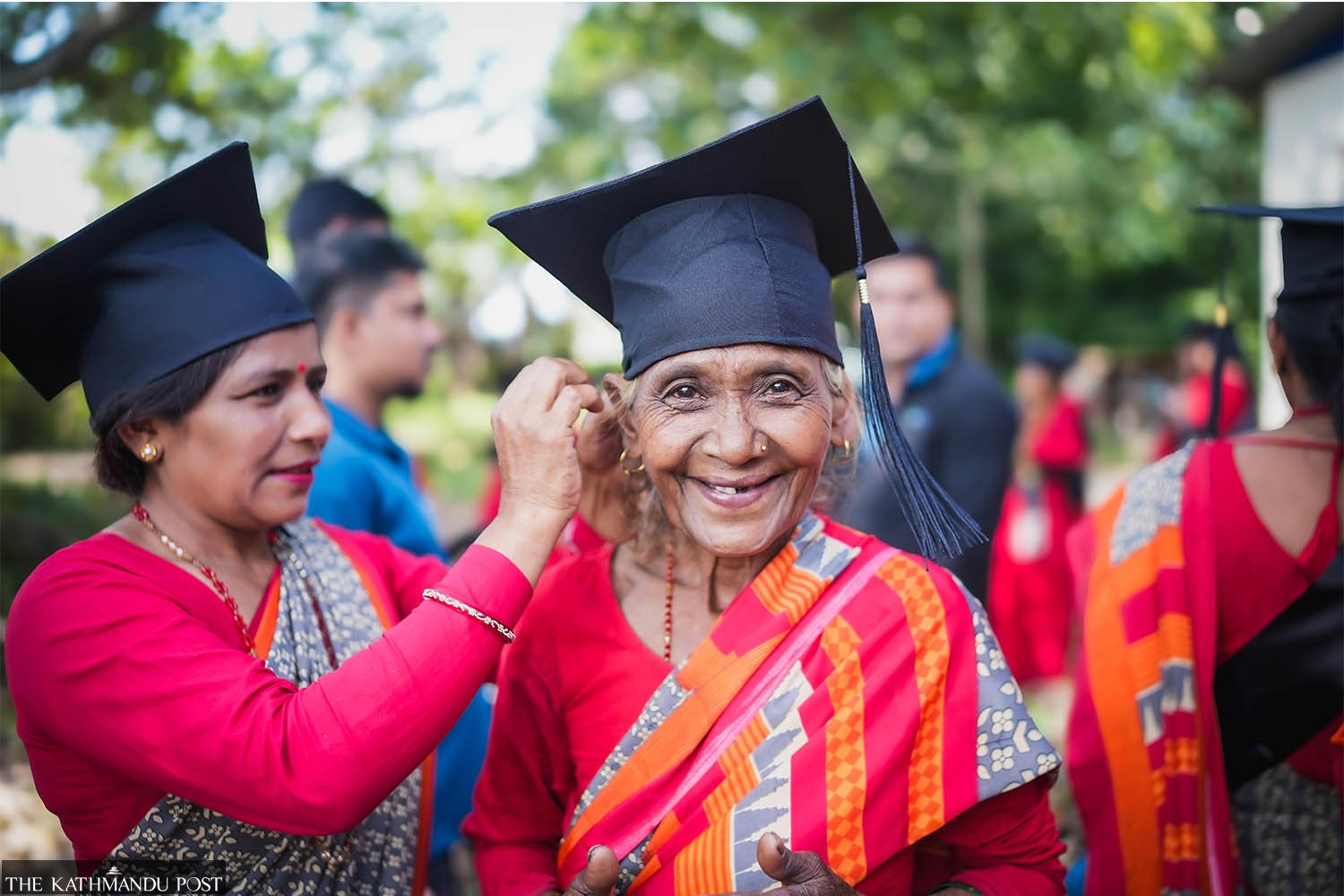
Fifty-six women dairy farmers graduated from the Heifer-KOICA Farmers Field School in Kamalamai Municipality after completing 48 training sessions covering animal husbandry, livestock health, reproduction and dairy enterprise management. The initiative forms part of the Korea-Nepal Model Dairy Village project, which aims to improve milk production and household incomes through better cattle breeds and scientific farming practices.
The programme highlights the importance of combining high-yielding cattle with technical training, veterinary support and reliable milk collection infrastructure to strengthen Nepal’s smallholder dairy sector.
Improved Cattle Breeds and Training Transform Dairy Farming
The training programme has helped farmers move beyond traditional livestock rearing towards more systematic dairy management. Participants learned about animal nutrition, disease prevention, breeding, basic treatment and enterprise development, with guidance from veterinary technicians, municipal veterinarians and South Korean dairy experts.
The benefits extend beyond livestock productivity. Farmers also developed financial and leadership skills, including opening bank accounts, saving money and speaking at community meetings.
For 70-year-old Kamala Subedi, who had never attended a conventional school, completing the programme represents a major personal achievement. Inspired by her youngest son’s earnings from high-yielding cows, she acquired a Holstein calf and hopes to establish a more profitable dairy enterprise.
Subedi previously obtained approximately four litres of milk daily from a cow, while the improved breed she has acquired is expected to offer substantially greater production potential. Her experience illustrates the opportunities that improved cattle genetics can create when supported by appropriate feeding and animal care.
Over four years, 105 farmers from Ward 5 of Kamalamai Municipality, organised into eight self-help groups, attended monthly classes. Participants needed to complete 48 sessions and maintain at least 80% attendance to graduate.
Holstein Genetics Offer Higher Milk Yields
The Korea-Nepal Model Dairy Village initiative is part of a wider effort to improve Nepal’s dairy cattle population and raise productivity among smallholder farmers.
In December 2022, South Korean dairy farmers and donors, mobilised through Heifer Korea, provided Nepal with 100 purebred Holstein heifers, six breeding bulls and high-quality frozen semen. Two additional breeding bulls, each valued at $250,000, arrived in March 2023 to strengthen access to high-quality genetic material.
Of the donated cattle, 80 were distributed among 51 farming families in Kamalamai Municipality. Through the project’s “passing on the gift” approach, participating families pass their firstborn calves to other community members, helping expand access to improved breeds.
According to Heifer International Nepal, a cross-bred cow typically produces around 3,200 litres over a 10-month lactation period, compared with approximately 10,000 litres for a Holstein. Some Holstein cows have reportedly produced as much as 49 litres daily.
The project reports that Sindhuli now has 169 purebred Holsteins, including 35 bulls. These developments could increase milk availability and improve farm revenue, provided farmers maintain adequate nutrition, veterinary care and suitable housing.
Milk Collection and Processing Remain Essential
Higher production alone cannot guarantee higher farmer incomes. Reliable milk collection, chilling, processing and market access are necessary to handle additional output while maintaining milk quality.
Kamalamai’s milk collection and chilling centre supports more than 300 cooperative members organised into eight groups. The project aims to increase daily milk production to 10,000 litres within two years, compared with approximately 5,000 litres currently.
Several cooperatives already supply around 2,300 litres daily to Sujal Dairy, a major private dairy processor based in Pokhara.
Farmers receive an average of NPR 65 per litre, while the reported retail price is approximately NPR 100. The difference reflects collection, processing, transportation, distribution costs and commercial margins. Ensuring that productivity gains translate into better farmgate returns remains important for the long-term sustainability of dairy farming.
Strengthening Nepal’s Dairy Industry
Nepal’s dairy sector contributes approximately 9% of national GDP, involves more than 500,000 farming families and directly employs over 30,000 people, according to the report.
The Sindhuli initiative demonstrates how farmer education, genetic improvement and cooperative infrastructure can support a more productive dairy industry. Expanding such programmes could help smallholders improve milk yields, strengthen household incomes and develop more commercially viable dairy enterprises.
However, continued progress will depend on accessible veterinary services, affordable feed, effective milk collection networks and markets capable of absorbing higher production.
For Nepal’s dairy industry, the central lesson is clear: improved breeds create opportunities, but knowledge, infrastructure and farmer support are essential to turn those opportunities into sustainable rural prosperity.