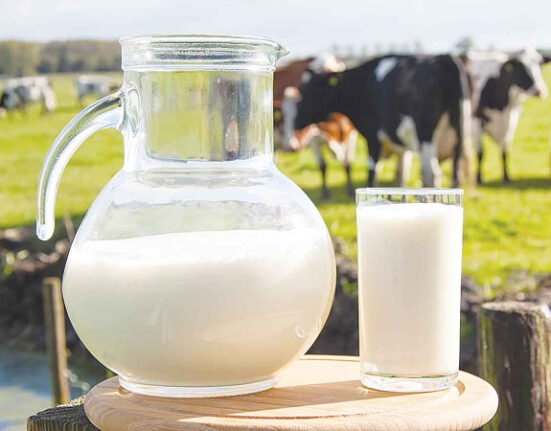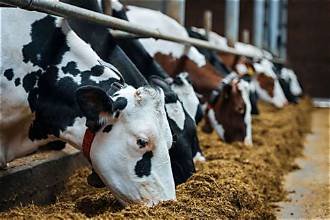
India’s animal agriculture sector is expanding alongside growing demand for milk, meat, eggs and aquaculture products. However, higher production volumes are not necessarily translating into improved earnings for farmers. Volatile output prices, rising feed costs and uneven market conditions are putting pressure on farm-level profitability, highlighting the need for a more productivity-driven approach to livestock development.
Price movements between June and August 2026 illustrate these challenges. Broiler and egg prices weakened sharply even as maize prices increased, creating a difficult situation for poultry producers. In aquaculture, prices moved differently across species and regions, reflecting variations in demand, supply and market conditions.
These developments underline a fundamental challenge for India’s animal agriculture industry: production growth alone cannot guarantee sustainable farm incomes. The sector must increasingly focus on improving productivity, controlling input costs and ensuring that farmers receive a fair share of the value generated across the supply chain.
Feed Costs and Market Volatility Squeeze Farm Margins
Feed is one of the major operating expenses in livestock and poultry production. Consequently, fluctuations in the prices of key ingredients such as maize and soybean meal can significantly influence farm economics.
The decline in broiler and egg realisations during the June–August 2026 period, alongside rising maize prices, illustrates how quickly poultry margins can come under pressure. When the selling price of eggs or broilers falls while feed costs remain elevated, producers face reduced returns despite maintaining production levels.
Soybean meal availability also remains an important factor for the poultry and livestock feed industries. Changes in domestic production, supply conditions and commodity prices can affect the cost and consistency of feed formulations.
Aquaculture faces similar uncertainties. Differences in prices across fish and shrimp species, as well as regional market variations, can make farm-level returns difficult to predict. This highlights the need for better market information, efficient production systems and stronger connections between farmers and buyers.
Productivity and Animal Health as Competitive Advantages
The industry’s next phase of growth will require a shift from measuring success primarily through feed volumes and production quantities towards measurable improvements in animal performance.
Feed conversion efficiency, animal health, reproductive performance and productivity are increasingly important indicators of farm profitability. Better nutritional management can help animals utilise feed more efficiently, while effective disease prevention can reduce production losses and unexpected veterinary expenses.
Heat stress is another major concern, particularly in India’s tropical climate. High temperatures can affect feed intake, growth, reproduction and milk production. Appropriate housing, ventilation, water availability and nutritional interventions can help farmers manage these challenges.
Industry perspectives from leaders including Sunil Kataria of Godrej Agrovet and Divya Kumar Gulati of CLFMA of India highlight the need for a more integrated approach to animal agriculture. Greater emphasis on nutrition, genetics, health management and measurable farm-level outcomes could help improve the economic performance of livestock enterprises.
Financing, Biosecurity and Stronger Supply Chains
Access to long-term finance remains an important constraint for farmers and businesses seeking to modernise animal agriculture. Investments in improved housing, equipment, breeding, feed management, processing and cold-chain infrastructure require capital that may not always be easily accessible to smaller producers.
Disease prevention and biosecurity also need greater attention. Stronger vaccination programmes, veterinary services, farm-level hygiene and disease surveillance can help protect livestock populations and maintain production continuity.
Domestic soybean productivity is another important consideration. Improving the availability of locally produced feed ingredients could help strengthen supply chains and reduce exposure to fluctuations in input markets. More competitive feed supply chains, supported by efficient procurement and storage, would further improve the resilience of animal agriculture businesses.
Digital market access can also support farmers by improving price transparency, connecting producers with buyers and enabling better production and business decisions. Alongside this, investment in processing facilities and export readiness could create additional market opportunities for India’s animal-protein sector.
Measuring Growth Through Farmer Returns
India’s rising demand for animal protein presents significant opportunities for dairy, poultry, meat and aquaculture businesses. However, sustainable growth will depend on how effectively the industry addresses the financial risks faced by producers.
A stronger animal agriculture ecosystem requires coordination across feed manufacturing, genetics, animal healthcare, farm management, processing and trade. Each part of the value chain has a role in improving efficiency and creating greater economic value.
For the feed industry, this means moving beyond selling larger volumes towards demonstrating measurable improvements in feed conversion, animal health and farm productivity. For farmers, it means access to reliable inputs, appropriate financing, better technology and more stable markets.
Ultimately, the long-term competitiveness of India’s livestock economy will depend not simply on how much milk, meat, eggs or fish it produces, but on how efficiently that output is generated and how much value reaches the farmer. Making farmer profitability a central measure of industry progress will be essential for building a more resilient and sustainable animal agriculture sector.