Lactose-Free Milk: Busting Common Myths as Digestive Wellness Gains Attention in India
Growing awareness around digestive health is encouraging Indian consumers to reconsider their everyday dairy choices. While milk remains an important part of Indian diets, some people experience bloating, gas or digestive discomfort after consuming regular milk due to difficulty digesting lactose.
Lactose is the natural sugar found in milk. People with lactose malabsorption may not produce enough of the enzyme lactase, which helps break down lactose during digestion. As awareness of this issue increases, lactose-free milk is emerging as an alternative that allows consumers to continue enjoying dairy while reducing lactose-related discomfort.
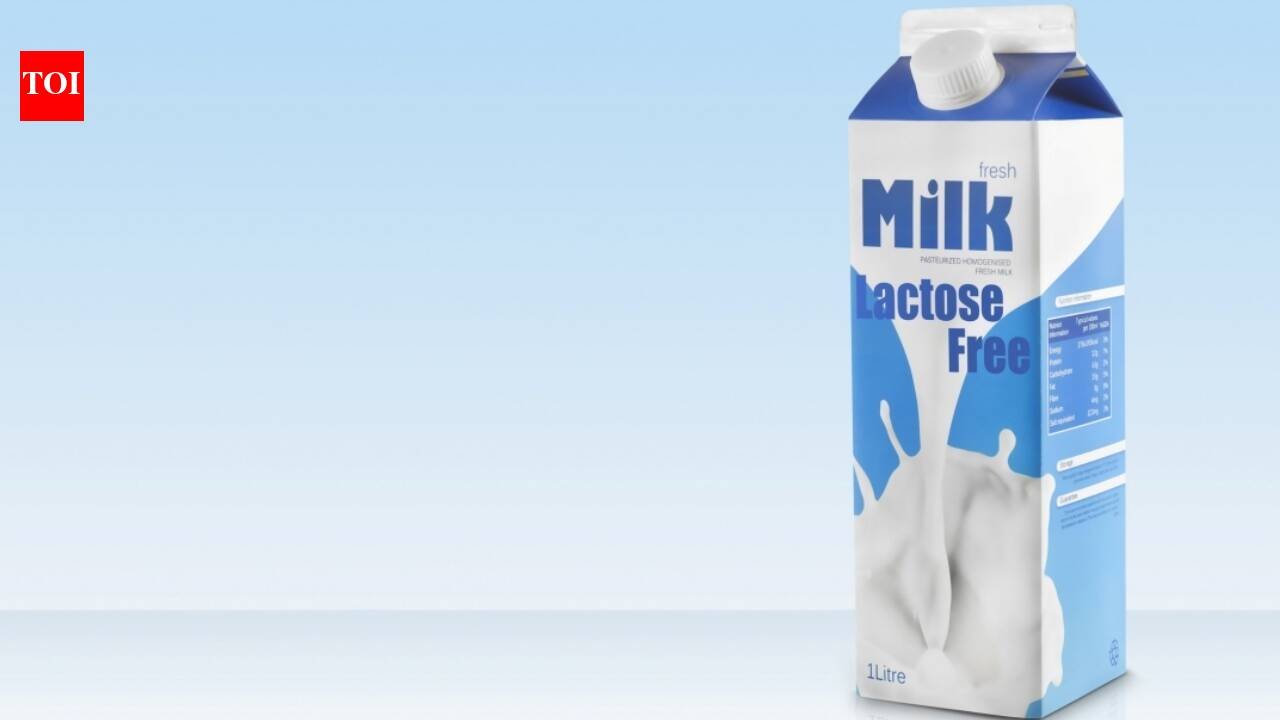
Importantly, lactose-free milk is still dairy milk. The key difference is that the lactose is broken down using the lactase enzyme, making it easier for people with lactose-digestion difficulties to tolerate.
Understanding Lactose-Free Milk
Lactose-free milk starts with regular dairy milk and undergoes an enzymatic process in which lactase breaks lactose into simpler sugars. This gives the milk a naturally sweeter taste while retaining its dairy characteristics.
It should not be confused with plant-based beverages such as almond, soy or oat drinks. Lactose-free milk continues to contain naturally occurring dairy proteins and other nutrients found in conventional milk.
Myth: Lactose-Free Milk Is Artificial or Plant-Based
Fact: Lactose-free milk is made from real dairy milk. The primary difference is that the lactose has been broken down through the addition of the lactase enzyme.
The processing does not turn it into a plant-based beverage, nor does it remove its fundamental dairy identity.
Myth: Only People With Diagnosed Lactose Intolerance Can Drink It
Fact: Lactose-free milk is particularly useful for people who have difficulty digesting lactose, but it is not restricted to those with a formal diagnosis.
People who experience occasional digestive discomfort after consuming regular milk may choose lactose-free alternatives based on their individual dietary preferences and tolerance.
Myth: Lactose-Free Means Dairy-Free
Fact: Lactose-free milk still contains dairy components, including milk proteins such as casein and whey.
This distinction is important because lactose intolerance and cow’s milk protein allergy are different conditions. People with a diagnosed milk allergy should not assume that lactose-free milk is suitable for them.
Myth: Everyone With Lactose Intolerance Must Avoid Dairy Completely
Fact: Lactose tolerance varies considerably between individuals. Some people may be able to consume small amounts of regular dairy without significant discomfort, while others may have a lower tolerance.
Lactose-free milk provides another option for consumers who want to maintain dairy in their diet while reducing their exposure to lactose.
Myth: Lactose-Free Milk Is Automatically Low in Calories
Fact: Removing or breaking down lactose does not automatically make milk low-calorie or low-carbohydrate.
The nutritional profile still depends on the type of milk being purchased, including whether it is full-cream, toned or another formulation. Consumers should therefore check the nutrition label when managing their calorie or carbohydrate intake.
Technology Is Supporting the Growth of the Category
Advances in food processing and packaging have helped expand the availability of lactose-free dairy products in India.
Ultra-high-temperature (UHT) processing and aseptic packaging can help maintain product safety and extend shelf life without requiring refrigeration before opening, depending on the product and packaging format.
This technology has made specialised dairy products more accessible to consumers across different parts of the country.
Lactose-Free Milk Can Be Used in Everyday Cooking
For consumers trying lactose-free milk for the first time, one noticeable characteristic can be its slightly sweeter taste. This happens because lactose is broken down into simpler sugars during processing.
The milk can generally be used in many of the same ways as conventional milk, including smoothies, oats, tea, coffee, sauces and baked foods.
It can also be incorporated into traditional Indian preparations such as kheer, payasam, phirni, custards and milkshakes. Because the milk can taste naturally sweeter, consumers may want to adjust the amount of added sugar according to their preference.
Changing Consumer Expectations
The growing interest in lactose-free milk reflects a broader shift in India’s dairy market, where consumers are increasingly looking for products that combine familiar nutrition and taste with convenience and digestive comfort.
Rather than moving away from dairy altogether, some consumers are seeking products that better match their individual dietary needs. This shift could create further opportunities for dairy companies to develop specialised products around digestive wellness and changing consumer preferences.